
Les 14 étapes du Séder de Pessah


1) Kadech
Récitation du Kidouch sur la première coupe de vin :
Barouh' Ata Ado-naye Élo-hénou Mélè 'h Haolam Boré pri Haguefen.
2) Our’hats
Lavez-vous les mains avant le Seder, sans prononcer de bénédictions
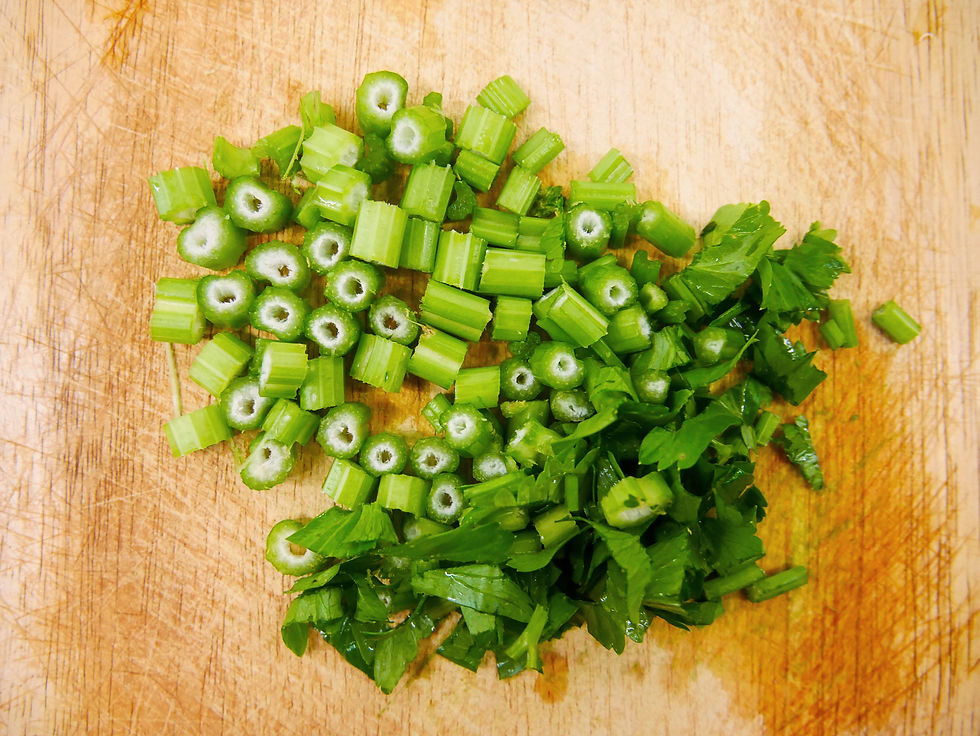
3) Karpass
On mange du céleri trempé dans l'eau salée
Et on récite la Béraha suivante :
Barouh' Ata Ado-naye Élo-hénou Mélè 'h Haolam Boré pri Haadama.

4) Ya' hats (division)
On prend la Matsa du milieu et on la casse en deux, un morceau plus grand que l'autre. On met de côté le plus grand morceau pour l'Afikomane. On remet le plus petit entre les deux Matsoth.

5) Maguid : récitation de la Haggada
On bois le 2ème verre, et on raconte la sortie d’Egypte, rappel des 10 plaies d’Egypte.
Barouh' Ata Ado-naye Élo-hénou Mélè 'h Haolam Boré pri Haguefen.
6) Ro'htsah (Ra'htsa) :
On se lave les mains avec la bénédiction.

7) Motsi - Matsah:
Bénédiction sur la Matsa que l'on découvre avant de la partager
Barouh' Ata Ado-naye Élo-hénou Mélè 'h Haolam Hamotsi Le hem Mine Haaretz
Barouh' Ata Ado-naye Élo-hénou Mélé 'h Haolam Achère Kidechanou Bemitsvotav Vetsivanou AI A Hilat Matsa
8) Maror :
Bénédiction sur les herbes amères
Barouh' Ata Ado-naye Elo-hénou Mélé 'h Haolam Achère Kidechanou Bemitsvotav Vetsivanou Al A'Hilat Maror
9) Korech :
On enveloppe comme un sandwich les herbes amères dans la Matsa, trempez-le dans la Harosset. Mangez-le en inclinaison sur la gauche.

10) Choul'hane Orekh :
Le dîner est servi !
11) Tsafoun :
On mange la Matsa cachée l'Afikomane.
Il est de coutume de ne rien manger ou boire après l'Afikomane.
12) Barekh (Berakh) :
Bénédiction d'action de grâce après le repas
13 - Hallel
On termine en récitant les psaumes de louanges du Hallel.
Nous buvons le 4ème verre de vin en s'inclinant sur la gauche

14 - Nitsa
Nous demandons à Hachem :
"Lechana Habaa Birouchalyim"
L'an prochain à Jérusalem!


没想到逾越节家宴的步骤这么有仪式感,特别是把无酵饼掰成两半留给阿菲科曼那段,读着就觉得庄重又温暖。对了,我平时存了一份免费的变速箱油参考指南,想分享给需要的朋友: https://transmissionfluid.net/
Thank you for sharing such a detailed and valuable article. Studying abroad involves many important decisions, from selecting the right course and university to understanding tuition fees, living costs, scholarships, admission requirements, and visa procedures. This article provides useful insights that can help students make better-informed decisions instead of relying on incomplete information. I believe professional counselling can also make the entire process easier for students and parents. WTS Study Abroad Consultants provides guidance to students regarding university applications, scholarships, course selection, documentation, and the overall study abroad process. A really helpful article for anyone considering international education.
Trump threatens 82 lottery new tariffs on European allies over Greenland until deal reached, as thousands protest...
Trump threatens 91 club new tariffs on European allies over Greenland until deal reached, as thousands protest..............................
Trump threatens BG678 new tariffs on European allies over Greenland until deal reached, as thousands protest......................